Mountain Valley Retreat in Northern Thailand
Pai sits in a valley 135 kilometers northwest of Chiang Mai, surrounded by mountains in Mae Hong Son province. The town has about 2,500 permanent residents but swells with visitors year-round. What started as a quiet backpacker stop in the 1990s has grown into a small tourism center, though it maintains a more relaxed atmosphere than Thailand's beach destinations or larger cities.
The town itself consists of a few main streets with guesthouses, restaurants, bars, and shops selling handicrafts and clothing. Most visitors come for the surrounding scenery - waterfalls, hot springs, rice fields, and viewpoints scattered within a 10-kilometer radius. The pace is deliberately slow, with people renting scooters to explore during the day and gathering at the walking street market in the evenings.
You can view Pai's location here.
Getting to Pai
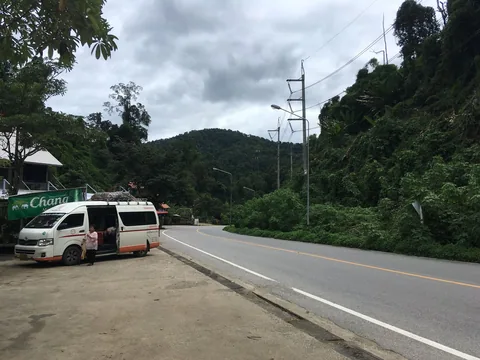
The main route from Chiang Mai follows Highway 1095 through the mountains, covering 135 kilometers and hundreds of bends (the famous "762 curves" is a souvenir T-shirt number, not an official count). Buses and minivans make this journey in 3-4 hours depending on driving style and stops. Motion sickness is common - sit near the front if possible and take medication beforehand if you're prone to car sickness. The views are impressive, looking down into valleys and across mountain ridges, but the constant turning makes it difficult to enjoy them while moving.
Prempracha Transport runs air-conditioned minivans from Chiang Mai's Arcade Bus Station about every hour during the day (as of October 2026). The minivans are cramped and often driven fast. Book tickets a day ahead during high season (November to February) as services fill up.
Pai Airport is tiny, with a single runway and basic terminal. Kan Air used to fly small propeller planes from Chiang Mai in about 25 minutes, but it stopped flying in 2017, and a short-lived successor ended its service in 2019. There are no scheduled flights today, so you reach Pai by the 3-4 hour road journey. The airport sits about 2 kilometers north of town, reachable by songthaew or scooter.
Some people rent motorcycles in Chiang Mai and ride to Pai. The route is scenic but demanding, requiring confident riding skills for the mountain curves. Allow 4-5 hours with stops. Check your brakes before starting - you'll use them constantly on the descents.
Pai Canyon
Pai Canyon (Kong Lan) sits 8 kilometers south of town on the road toward Chiang Mai. Narrow ridges of red earth rise above the surrounding landscape, some less than a meter wide at the top. Walking along these ridges requires attention - drops fall 30 meters on both sides. Basic railings exist at a few points, but most sections have no barriers.
Late afternoon offers the best light for photos and cooler temperatures for walking. Sunset attracts crowds to the main viewpoint. The site has no entrance fee. Vendors sell drinks and snacks at the parking area. The walk to the viewpoints takes 20-30 minutes from the entrance. Wear proper shoes - flip-flops are inadequate for the terrain.
Waterfalls
Mo Paeng waterfall is the closest to town, about 8 kilometers west. The falls flow year-round but are strongest during and after rainy season. A pool at the base is deep enough for swimming. The walk from the parking area takes 5 minutes. Local families come here on weekends, so weekdays are quieter. Entry costs 20 baht.
Pam Bok waterfall sits further out, about 20 kilometers northwest of Pai. The road becomes rougher after leaving the main highway. The waterfall has multiple tiers with pools between them. You can climb up beside the falls on makeshift paths, though rocks get slippery. This area sees fewer visitors than Mo Paeng. Bamboo huts near the parking area serve simple food.
Mae Yen waterfall is smaller but easier to reach, just 3 kilometers from town toward the airport. It flows seasonally - during dry season it reduces to a trickle. The pool below works for cooling off but isn't deep enough for swimming.
Hot Springs
Tha Pai Hot Springs is located about 7 kilometers southeast of town. Natural hot water flows from the ground at around 80 degrees Celsius, too hot to enter directly. The water runs through a series of pools that gradually cool. You can soak in the lukewarm pools downstream, though they're often crowded. The main pool near the source is maintained as a tourist attraction with an entrance fee of 300 baht.
The more popular option is Sai Ngam Hot Springs, 12 kilometers south of Pai. The setting feels less commercialized, located in forest beside a stream. Hot water mixes with the cool stream water, creating natural temperature variations. Entry costs 200 baht. Small fish swim in the pools and nibble dead skin - a free fish spa. Changing rooms and lockers are available. Bring a towel or rent one there.
Chinese Village
Santichon village sits on a hillside about 4 kilometers from Pai, founded by remnants of the Kuomintang army who fled China after the communist takeover. The village has become a tourist attraction with entry gates and souvenir shops. The setting offers views across the valley, and several small museums explain the settlement's history.
Tea shops serve Chinese tea and snacks. You can rent traditional Chinese costumes for photos, which feels somewhat artificial but proves popular. A small zip line and Ferris wheel operate on the hillside. The village is worth a brief stop if you're passing by but doesn't require much time. Entry costs 30 baht.
Viewpoints
Yun Lai viewpoint overlooks Pai valley and the Chinese village. The sunrise views attract early risers, though getting there in darkness requires a scooter with good lights. The road climbs steeply. A small café at the top serves coffee and breakfast. You can also camp overnight at designated spots for a fee.
The Big Buddha (Wat Phra That Mae Yen) sits on a hill east of town. White Buddha statues line the steps leading up - 353 steps total. The climb takes about 15 minutes. From the top you see across Pai town and the surrounding rice fields. Sunset is the popular time, though morning light is better for photos looking east. The temple operates actively, so dress respectfully.
Pai Land Split is more curiosity than viewpoint. An earthquake in 2008 created a crack in the ground that has widened over time. It's essentially a small ravine through a farm property. The owner charges 20 baht entry and sells drinks. Some visitors find it interesting, others think it's overhyped for what amounts to a crack in the ground.
Memorial Bridge
This steel bridge crosses the Pai River about 9 kilometers north of town. Built during World War II by Japanese forces using forced labor, it connected supply routes to Burma. The bridge is still in use by local traffic and looks precarious, though it's maintained. You can walk across, though watch for motorcycles and trucks.
A small museum and café sit beside the bridge. The Pai River flows shallow here most of the year. Some guesthouses and resorts have opened in this area, offering a quieter alternative to staying in town. The bridge appears on most postcards and photos of Pai.
Where to Stay
Pai town center puts you within walking distance of restaurants and the night market. Budget bungalows start around 300 baht, though standards vary significantly. Check the room before committing - some places maintain properties better than others. Mid-range guesthouses and small resorts cost 800-1,500 baht with air conditioning and hot water.
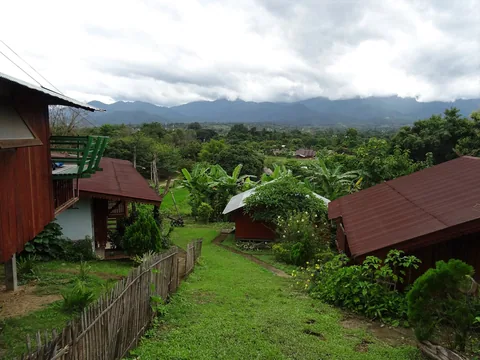
Resorts outside town offer more space and natural settings. Many sit among rice fields with mountain views. These properties work well if you want quiet evenings, though you'll need a scooter to reach restaurants and shops. Some include breakfast and have swimming pools.
The area north of the river toward the Memorial Bridge has grown in recent years with new guesthouses and resorts. It's quieter than central Pai but still close enough to reach town easily. Prices tend to be slightly lower than equivalent places in the town center.
Book ahead during peak season (December to January) and holidays. Many places offer discounts for stays longer than a few nights. Some budget places have shared bathrooms, which drops the price further if you don't mind that arrangement.
Walking Street
Pai's walking street market operates every evening along the main road through town. Vendors set up around 5pm and pack up by 10pm. The market sells clothing, jewelry, handicrafts, paintings, and various souvenirs. Much of it is similar to what you find in night markets across Thailand, though some items are locally made.
Food stalls dominate one section, serving pad thai, spring rolls, satay, roti, fruit shakes, and desserts. Prices are reasonable - a meal costs 50-100 baht. Several stalls sell vegetarian and vegan options, reflecting Pai's demographic. Musicians perform at spots along the street, creating a relaxed atmosphere.
The market isn't large - you can walk the entire length in 10 minutes. It works well for dinner and evening strolling. Bargaining is expected for clothing and souvenirs, though food prices are fixed.
Local Atmosphere
Pai attracts an unusual mix of people. Long-term travelers settle here for weeks or months. Thai tourists come for weekend getaways. Chinese tour groups arrive on day trips from Chiang Mai. Artists and musicians live here semi-permanently. This creates an atmosphere that's part Thai village, part traveler hangout, part tourist attraction.
Yoga studios, massage shops, and cafés with vegetarian menus are common. Live music happens most nights at various bars. The scene is more mellow than party-focused - people come to relax rather than to rage. Reggae and acoustic guitar dominate the music rather than electronic dance music.
The town is majority Buddhist but with a noticeable Western influence in businesses and atmosphere. Most locals are used to foreign visitors and speak basic English. The pace is slow - shops and restaurants operate on flexible schedules, opening when they feel like it.
Practical Considerations
Cool season (November to February) is most comfortable with temperatures ranging from 12-28 degrees. December and January nights can drop below 10 degrees - hostels and budget bungalows often lack heating. Hot season (March to May) sees temperatures above 35 degrees, with April hottest. Rainy season runs June to October with afternoon downpours.
Renting a scooter is nearly essential for exploring beyond town. Rates run 150-250 baht per 24 hours. Roads around Pai are generally in decent condition, though mountain roads require careful riding. Wear a helmet - police checkpoints appear occasionally, and safety matters on these roads. Some rental shops ask to keep your passport as a deposit; the UK Foreign Office advises against handing it over, so offer a cash deposit instead.
ATMs exist in town center but charge standard fees. Most guesthouses and restaurants accept only cash. Pai Hospital, a 60-bed community hospital in town, is open 24 hours and handles emergencies and everyday problems. The larger provincial hospital is in Mae Hong Son, on more winding roads. For serious medical problems, you'd need to return to Chiang Mai.
Smoke season affects Pai from March to April when farmers burn fields. Air quality deteriorates significantly, with haze obscuring mountain views and causing respiratory irritation. Many regular visitors avoid Pai during these months. Check air quality indexes before booking if visiting during this period.
Most attractions around Pai are within a 20-kilometer radius, reachable as day trips from town. Visitors typically stay 3-5 days, though some settle in for weeks. The town works well as a break from city travel or as part of a Mae Hong Son loop itinerary combining multiple mountain towns.