
Thai Islands
Two seas, three island groups and very different seasons: how to choose between Thailand's islands, and how to get there and around.
Thailand's beach islands lie in three groups: the Andaman Sea on the west coast (Phuket, Phi Phi, Koh Lanta, Koh Lipe), the Gulf of Thailand on the east side of the southern peninsula (Koh Samui, Koh Phangan, Koh Tao), and a smaller eastern group near Cambodia and Bangkok (Koh Chang, Koh Samet, Koh Kood). Which sea you choose decides the best months, how you get there and what the islands feel like.
Thailand counts 936 islands, according to the Department of Marine and Coastal Resources, but only a few dozen have places to stay. The ones in this section are the islands most visitors choose between. The cards below lead to a full guide for each; this introduction helps you narrow the choice before you open them. If you would rather answer a few questions about your trip first, our guide Which Thai island is right for you? works through budgets, travel styles and travel time.
Two seas, two seasons
The single most useful fact about the Thai islands is that the two coasts have their rainy seasons at different times. The southwest monsoon, from about mid-May to October, brings rain, swell and rough boat crossings to the Andaman coast. The northeast monsoon, from late October, dries out most of Thailand but pushes rain onto the Gulf side of the south, with the heaviest rain on Koh Samui usually in November.
| Island group | Usually best | Usually wettest |
|---|---|---|
| Andaman Sea (Phuket, Phi Phi, Lanta, Lipe) | December to March | May to October, peaking in September and October |
| Gulf of Thailand (Samui, Phangan, Tao) | February to August | October to December |
| Eastern islands (Chang, Samet, Kood) | November to April | May to October, with Koh Chang very wet in July and August |
That gives you a simple rule: from June to September the Gulf islands are the safer bet, and around Christmas and New Year the Andaman side is. Some places also close by the calendar. The Similan Islands are open only from 15 October to 15 May, and Maya Bay on Koh Phi Phi Le closes every year from 1 August to 30 September. Our month-by-month guide to the best time to visit the Thai islands has the rainfall figures.
The Andaman islands
The west coast has the dramatic scenery: limestone cliffs rising out of turquoise water, long sunsets and good snorkeling and diving. Phuket, Thailand's largest island, is joined to the mainland by road and has an international airport, so it works like a city and is covered in our destinations section. From Phuket and Krabi, ferries run to the Phi Phi Islands, small, busy and car-free, with the most famous bay in the country.
Koh Lanta is longer, flatter and calmer, with a string of west-facing beaches that suit families and longer stays. Far to the south, close to the Malaysian border, Koh Lipe is a tiny island with clear water and reefs right off the beach, reached by boat from Pak Bara or from Langkawi in Malaysia. Our guide to more Andaman islands covers the quieter alternatives: Koh Yao Noi, the Trang islands and the Similans.
The Gulf islands
The three Gulf islands sit in a line and are linked by frequent boats, which makes them easy to combine. Koh Samui, the second-largest island, has its own airport, run by Bangkok Airways, plus big resort beaches such as Chaweng and Lamai and quieter coves elsewhere. Koh Phangan is best known for the Full Moon Party at Haad Rin, but most of the island is relaxed, with yoga retreats and small beaches. Koh Tao, the smallest, is one of the world's busiest places to learn to dive.
Without a flight to Samui, you reach the Gulf islands by bus or train plus ferry, via Chumphon or Surat Thani. Operators sell combined tickets from Bangkok.
The eastern islands near Bangkok
The islands of the eastern Gulf are the closest to Bangkok and need no flight. Koh Chang, Thailand's third-largest island, is mountainous and green, with a road around most of the coast and beaches on its west side. Koh Samet is the nearest beach island to the capital, and Koh Kood and Koh Mak are quieter and slower; all three are covered in our guide to Koh Samet, Koh Kood and Koh Mak. These islands are at their best in the dry season; check boat schedules before you travel in the rainy months.
Combining islands
Island-hopping in Thailand works best within one sea. Phuket, Phi Phi, Lanta and Lipe connect by ferry in the dry season, and Samui, Phangan and Tao are linked by boats from several operators. Crossing between the two coasts means a long day by road and ferry, or a flight via Bangkok. Our island-hopping guide sets out the routes, the seasons in which the boats run and how many nights to allow on each island.
Andaman Sea

Koh Lipe
A small island in the far south of the Andaman Sea, with reefs right off the beach and ferries to Langkawi in Malaysia.
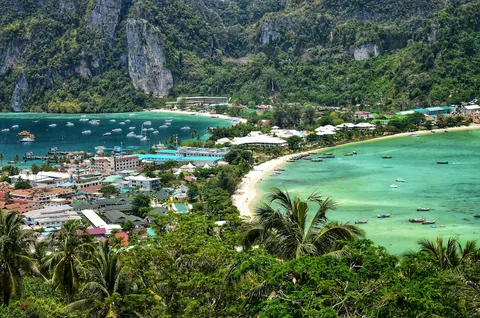
Phi Phi Islands
Koh Phi Phi Don's twin bays, viewpoints and Maya Bay boat trips, between Phuket and Krabi.
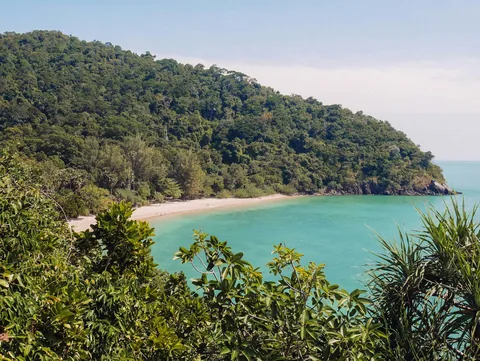
Koh Lanta
A long, relaxed island with sunset beaches, old town stilt houses and easy access from Krabi.
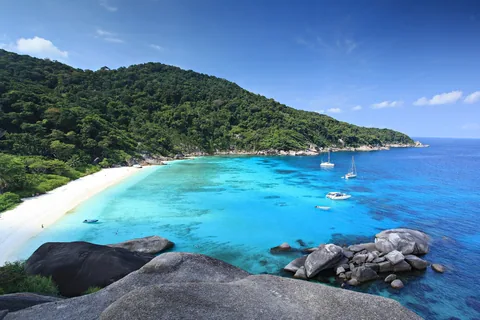
More Andaman Islands
Koh Yao, the Similans and the Trang islands: quieter alternatives on the west coast.
Photos in this list: photographer and licence for each image are listed on our image credits page.
Gulf of Thailand

Koh Samui
The Gulf's big resort island, with an airport, ring road and beaches for every budget.
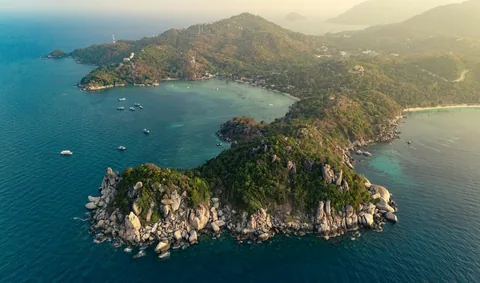
Koh Tao
One of the world's busiest places to learn to dive, with small coves and viewpoints.

Koh Phangan
The Full Moon Party island, with a quieter north and west coast beyond Haad Rin.
Photos in this list: photographer and licence for each image are listed on our image credits page.
Eastern Islands

Koh Chang
A green, mountainous island near the Cambodian border, reachable by road and car ferry from Bangkok.
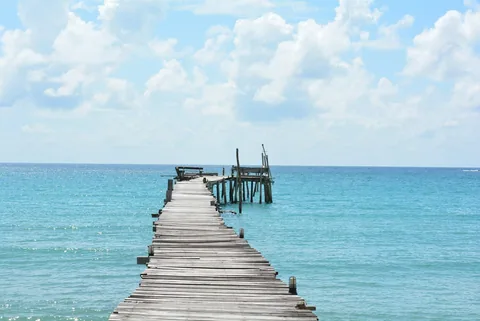
Koh Samet, Koh Kood and Koh Mak
The eastern islands closest to Bangkok, from weekend Samet to remote Koh Kood.
Photos in this list: photographer and licence for each image are listed on our image credits page.
Island-hopping
Photos in this list: photographer and licence for each image are listed on our image credits page.