
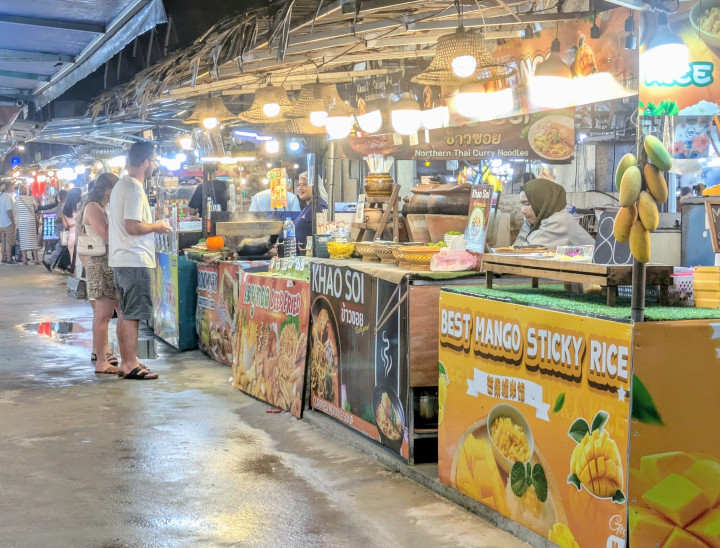
Thai night markets offer one of the most authentic culinary experiences you can have while traveling through Thailand. The sizzle of woks, aromatic clouds of steam rising from soup pots, and vendors calling out their specialties create an atmosphere that's impossible to replicate anywhere else. For first-time visitors, navigating these bustling food havens can feel overwhelming, but with some basic knowledge, you'll soon be eating like a local.
Understanding the Language Barrier
The level of English you'll encounter at night markets varies dramatically depending on location. In tourist hotspots like Bangkok's Rot Fai Market, Chiang Mai's Saturday Walking Street, or Phuket's weekend markets, many vendors speak decent English and often have picture menus or even English translations. You'll find ordering relatively straightforward in these areas.
However, venture into neighborhood markets in residential areas or smaller towns, and you'll discover that English is rarely spoken. These local markets offer the most authentic experience and often the best prices, but communication becomes more challenging. Don't let this deter you – vendors are generally patient and willing to help, and pointing at what looks good often works perfectly fine.
Learning a few basic Thai phrases will enhance your experience significantly. Simple words like "aroi" (delicious), "phet mai?" (is it spicy?), and "tao rai?" (how much?) go a long way. For a comprehensive list of useful phrases, check out Essential Thai Phrases Every Traveler Should Know.
Navigating Food Safety Without Missing Out
Concerns about food safety shouldn't prevent you from exploring night market cuisine. Thai vendors generally maintain good hygiene standards despite the simple cooking conditions. The key is knowing what to look for and making smart choices.
The safest approach is ordering dishes that are cooked fresh when you order them. Watch for stalls with high turnover – if locals are queuing up, that's usually a good sign. The constant flow means ingredients are fresh and food doesn't sit around. Items stir-fried or grilled to order are excellent choices since the high heat kills most bacteria.
Some particularly safe options include khao pad (fried rice), which is cooked at extremely high temperatures in the wok. Pad Thai falls into the same category – it's made fresh and the noodles are thoroughly cooked. Tom Yum soup, with its boiling hot broth and acidic lime juice, creates an inhospitable environment for bacteria. Som tam (papaya salad) is generally safe when made fresh, though if you have a sensitive stomach, you might want to ask for it without the fermented fish sauce or raw crab that sometimes accompanies it.
Pre-cooked dishes sitting in metal trays or plastic containers pose a slightly higher risk, especially if they've been at room temperature for extended periods. This doesn't mean you should avoid them entirely, but use your judgment. If the food looks dried out or has been sitting under minimal heat, it might be better to choose something else.
Timing Your Market Visit
Most night markets open around 5 or 6 PM, and this early period offers the freshest food. Vendors have just set up, ingredients are newly prepared, and everything is at its peak quality. The downside is that some stalls might still be getting organized, and the full atmosphere hasn't developed yet.
Peak hours between 7 and 9 PM bring the full night market experience – every stall is operational, the energy is high, and the variety is at its maximum. This is when you'll find the most options, though popular items might sell out.
Late in the evening, closer to closing time around 10 or 11 PM, you might find some discounts as vendors try to sell remaining stock. However, food has been sitting out longer, and the selection becomes limited. Ingredients that were fresh at opening have now been exposed to air and varying temperatures for hours.
Beyond the Food Stalls
While food is the main attraction, night markets offer much more. You'll find vendors selling everything from knock-off designer clothes to handmade crafts, phone accessories to potted plants. Many markets feature massage stations where you can get a quick foot massage while digesting your meal. Some larger markets include entertainment areas with live music or traditional performances.
Fresh fruit vendors deserve special mention. Thailand's tropical fruits are exceptional, and night markets offer perfectly ripe mangoes, dragon fruit, rambutan, and mangosteen at reasonable prices. The fruit is typically displayed on ice and sold by weight or in pre-cut packages.
Drink stalls serve everything from fresh coconut water to Thai iced tea, fruit smoothies to local beer. These provide a refreshing break between food sampling sessions and help cool down your palate after spicy dishes.
Managing Money at Night Markets
Cash is king at Thai night markets. While some vendors in tourist areas might accept mobile payments, the vast majority only take cash. ATMs are usually available near market entrances, but it's better to arrive prepared.
Large denomination bills, particularly 1000 baht notes, can be problematic. Many food vendors operate with limited change, and a 40-baht plate of noodles paid with a 1000-baht note creates an awkward situation. Before heading to the market, stop at a 7-Eleven convenience store – they always have plenty of change and won't mind breaking large bills if you buy something small like a bottle of water.
Carry your money in small bills: 20s, 50s, and 100s work best. This makes transactions smooth and prevents holding up lines while vendors scramble for change. Keep your cash easily accessible but secure – night markets can get crowded, and fumbling with a wallet while balancing food is awkward.
Eating Etiquette and Practical Tips
Most night markets have communal seating areas with plastic tables and stools. These fill up quickly during peak times, but turnover is fast. It's perfectly acceptable to share a table with strangers if space is limited. Just gesture to the empty seats and smile – Thais are generally welcoming.
Napkins are rarely provided automatically. Some vendors have tissue packets for sale (usually 5-10 baht), or you can bring your own. Wet wipes are particularly useful since eating can get messy, especially with street food eaten while walking.
Take small portions from multiple vendors rather than filling up at the first interesting stall you see. Night market culture encourages sampling widely, and vendors don't expect large orders. This approach lets you try more dishes and reduces the risk if something doesn't agree with your palate or stomach.
If you're concerned about spice levels, start mild and work your way up. Thai spicy is often several levels above what many visitors expect. You can always add chili flakes or sauce later, but you can't remove spice once it's there.
Photography is generally welcomed, but be respectful. Ask permission before taking close-up photos of vendors, and if you spend time photographing their stall, it's polite to buy something. The colorful displays and cooking action make for great photos, just be mindful of not blocking other customers.
Trust your instincts when choosing vendors. If something doesn't look or smell right to you, there are plenty of other options. At the same time, don't let unfamiliar sights and smells scare you away from trying new things. That unusual-looking fruit or mysterious grilled item on a stick might become your new favorite food. The beauty of night markets lies in their ability to push you outside your comfort zone while still providing familiar fallback options when needed.