
Thai Culture, Food and Everyday Life
Etiquette, festivals, food and drink, and the everyday details of Thai life that puzzle first-time visitors.
Photo: Nawit science · CC BY-SA 4.0 · Wikimedia Commons · resized and cropped
Thai culture is easy to enjoy and only a little harder to get right: a few rules about temples, the royal family and personal respect matter a great deal, and almost everything else, from street food to festivals, is open to visitors who show some curiosity.
The articles in this section explain the customs you will meet on an ordinary trip, the festivals worth planning around, and how to eat well in a country where food is the center of daily life. They are written for first-time visitors and for people who live here, and they stick to what you can verify: dates with sources, rules with the month they were checked.
Respect: temples, monks and the monarchy
Most of Thailand's tens of thousands of temples are working places of worship, and visitors are welcome in nearly all of them. Covering shoulders and knees, taking off your shoes and keeping your feet away from Buddha images are the basics; our guide to temple etiquette and dress code covers the rest, including how women should give things to monks.
The monarchy is the one subject where a careless remark can lead to prison. Section 112 of the Criminal Code carries three to fifteen years per count, and it applies to foreigners and to online posts. Our page on the Thai monarchy and the lèse-majesté law sets out the facts calmly, along with the anthem and the banknotes.
Festivals and the lunar calendar
Many Thai festivals follow the lunar calendar, so their Western dates move every year. In 2026, Loy Krathong falls on Tuesday 24 November, and Chiang Mai celebrates Yi Peng from 23 to 25 November, with a request that no sky lanterns be released in the city area. The Phuket Vegetarian Festival follows the Chinese calendar and runs from 10 to 18 October 2026, and Chinese New Year falls on Saturday 6 February 2027.
The Buddhist holy days matter for practical reasons too: alcohol sales are banned on them in most places, and temples are busy. Our guide to Buddhist holy days lists the dates, and the page on alcohol sales hours explains the current rule: sales from 11:00 to midnight since the afternoon ban was abolished in May 2026.
Eating and drinking
Thai food changes from region to region, and the best of it is cheap and sold on the street. Start with our introduction to Thai dishes by region, then learn how to order and set the spice level, which also covers allergies. Vegetarian, vegan and halal travelers, including the many visitors from Malaysia and Singapore, will find practical advice in our guide to vegetarian and halal food. Fruit has its own seasons and its own etiquette, especially durian, which many hotels and public transport ban; see Thai fruit and the durian rules.
Below you will also find our older articles on everyday life in Thailand, from the wai greeting and spirit houses to 7-Eleven, night markets, beer and gold shops.
32 guides in this section.
Etiquette

Never Do This in Thailand: A Traveler's Essential Guide to Cultural Respect and Safety
The taboos and legal pitfalls that can turn a smooth trip into real trouble.
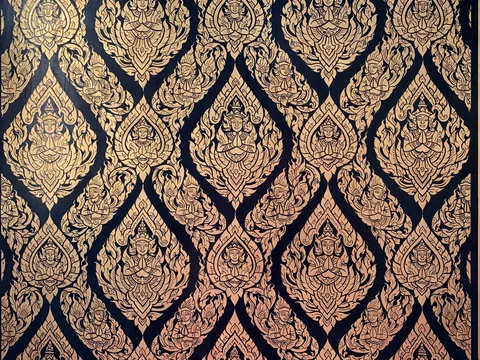
What Thai Wai Gestures Really Mean
The palms-together greeting explained: who greets first, how low to bow and when to skip it.

What “Farang” Really Means in Thai Culture
The everyday Thai term for Westerners, where it came from and why it is rarely meant unkindly.
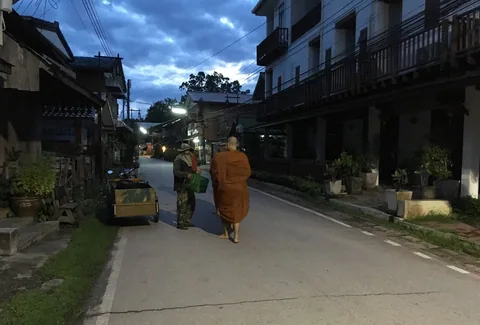
The Role of Monks in Thai Daily Life in Thailand
Alms rounds, blessings, tree ordinations and village counseling: saffron robes in everyday society.
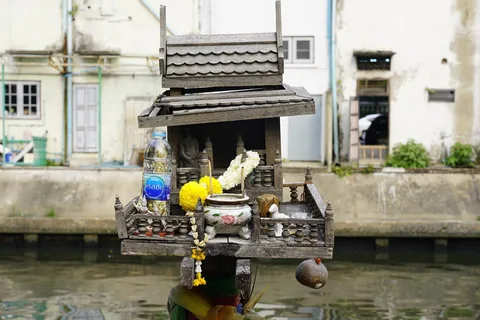
Understanding Thai Spirit Houses
Why small shrines guard Thai homes and hotels, and the etiquette visitors should follow.
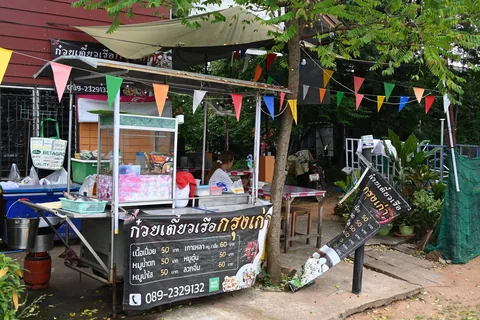
Essential Thai Phrases Every Traveler Should Know
Greetings, numbers, food orders and market bargaining, with pronunciation and real examples.

Temple Etiquette in Thailand: Dress Code and Dos and Don'ts
Shoulders and knees, shoes, Buddha images, monks and photography.
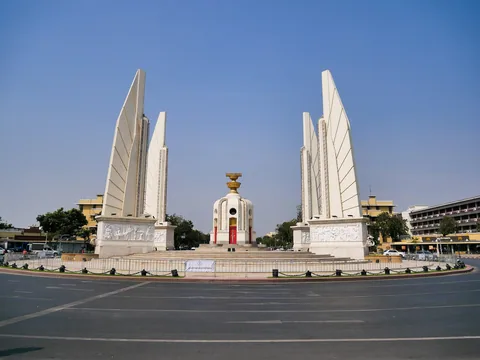
The Thai Monarchy and the Lèse-Majesté Law: What Visitors Should Know
The law, the anthem, banknotes and how visitors avoid trouble.
Photos in this list: photographer and licence for each image are listed on our image credits page.
Festivals & holidays
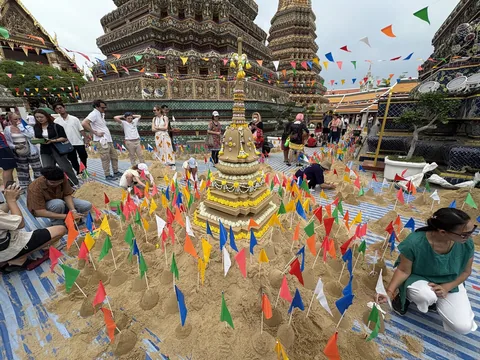
Why Thais Celebrate Songkran With Water Fights
From blessing elders' hands with scented water to citywide battles with water guns.
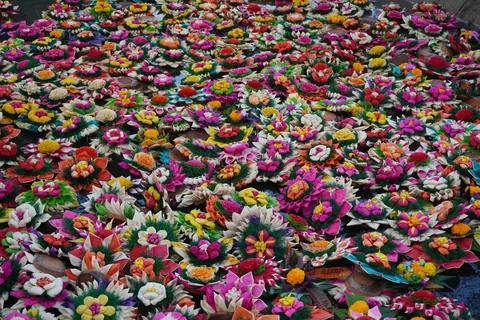
Loy Krathong: Thailand's Festival of Lights
What it means, how the date is set, 24 November 2026 and where to see it.
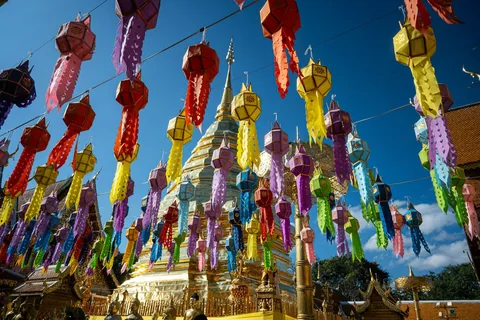
Yi Peng in Chiang Mai: Lanterns, Rules and Ticketed Events
The 2026 dates, the no-lantern request in the city, ticketed events and the airport's evening cut-off.
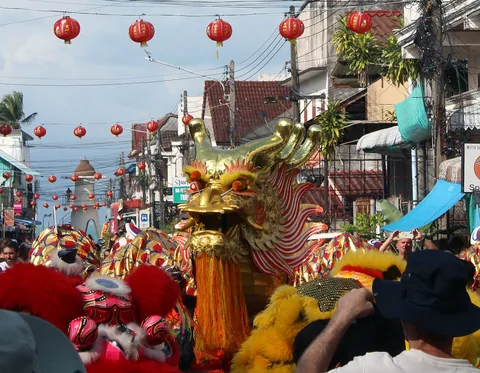
Chinese New Year in Thailand: Bangkok's Chinatown and Beyond
Yaowarat, Nakhon Sawan and Hat Yai, the 2027 date, crowds and which shops close.
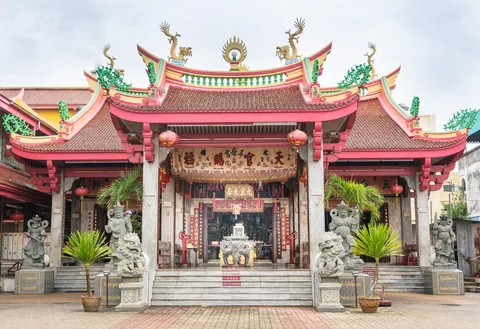
The Phuket Vegetarian Festival: Processions, Food and What to Expect
Processions, piercings, jay food and how to watch respectfully, 10–18 October 2026.
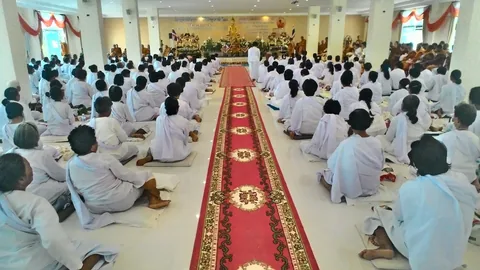
Buddhist Holy Days in Thailand: Alcohol Bans and Temple Visits
What the five holy days mean, their dates, candle processions and the alcohol sales ban.
Photos in this list: photographer and licence for each image are listed on our image credits page.
Food & drink

A Beginner's Guide to Eating at Thai Night Markets
Which dishes to order, when to arrive, why small bills matter and how to share a table.

Beer in Thailand
From Chang, Leo and Singha to craft taprooms, plus what a bottle costs and where to drink.
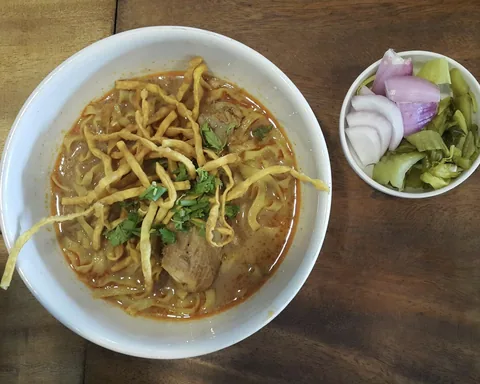
Thai Dishes to Try: A Visitor's Guide by Region
Central classics, northern khao soi, Isaan som tam and larb, southern curries, with spice levels.

How to Order Thai Food: Spice Levels, Allergies and Useful Phrases
Mild or medium, allergies, peanuts and fish sauce, and the menu words that matter.
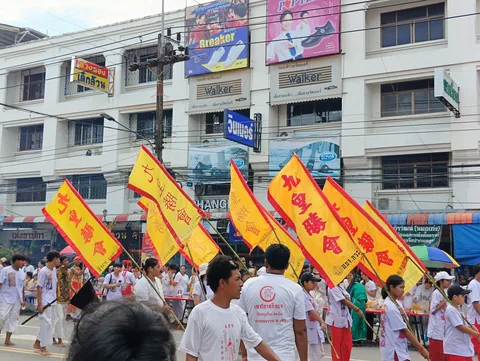
Vegetarian, Vegan and Halal Food in Thailand
Jay food, hidden fish sauce, the halal logo, Muslim food in the south and phrases that help.
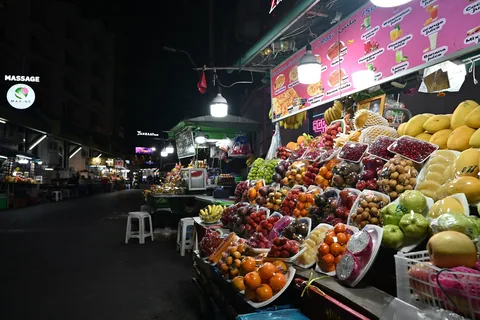
Thai Fruit: What to Try, When It Is in Season and the Durian Rules
Mango, mangosteen, rambutan and durian, rough seasons, and where durian is not welcome.
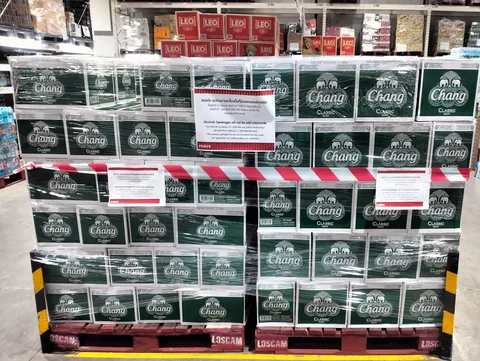
When Can You Buy Alcohol in Thailand? Sales Hours and Ban Days
11:00 to midnight, no afternoon gap any more, ban days and the rules at 7-Eleven.
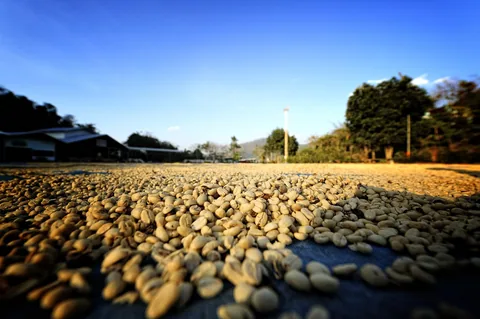
Thai Coffee and Thai Tea: Cha Yen, Oliang and Where to Find Good Coffee
Orange iced tea, old-style coffee and the northern hills where Thai beans grow.
Photos in this list: photographer and licence for each image are listed on our image credits page.
Everyday Thailand

What Makes 7-11 in Thailand So Special?
Toasties, cheap meals, cold air and a store on every corner: why travelers love the chain.

How to Use 7-Eleven Delivery in Thailand
Drinks, snacks and toiletries brought to your room, plus the address and payment snags to expect.

What is Bum Gun and How Do You Use It?
A quick, friendly walkthrough of the handheld sprayer beside nearly every Thai toilet.

The Significance of Gold in Thailand
Merit, status, savings and that deep yellow hue: the cultural weight of a precious metal.
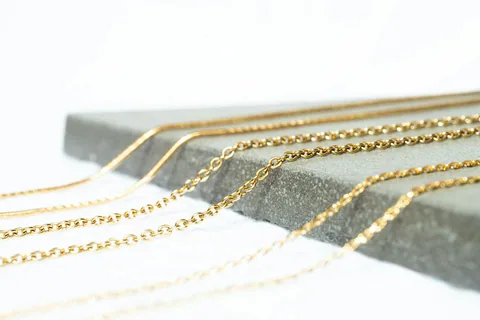
How to buy gold in Thailand?
Where to shop, how to check purity and the romance trap some foreign buyers fall into.
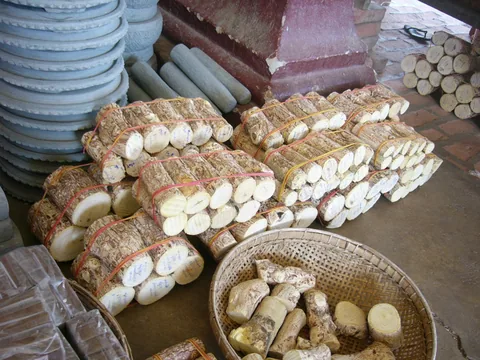
What Is the Yellow Clay-like Paste on People's Faces in Thailand?
The Burmese bark cream worn as sun protection and everyday beauty, and how it is applied.
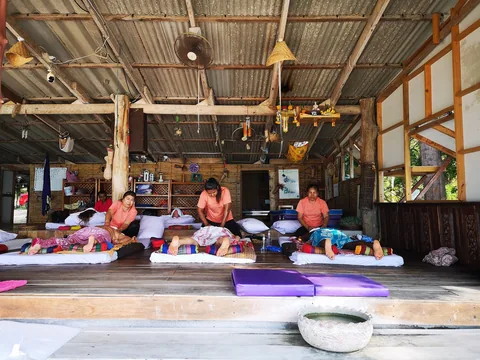
Thai Massage: Types, Prices and How to Choose a Good Place
Traditional, foot or oil, Wat Pho's prices as a yardstick, tipping and how to spot a good shop.
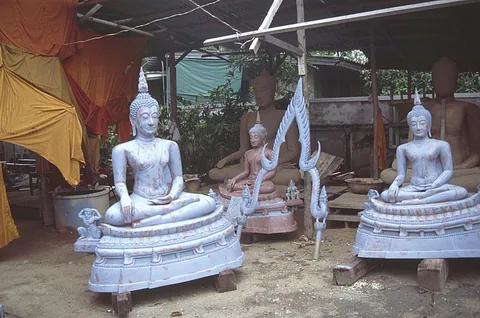
Taking a Buddha Image or Antique Out of Thailand: The Export Permit Explained
The export licence for Buddha images and antiques: what it covers, what it costs and how to get one.
Photos in this list: photographer and licence for each image are listed on our image credits page.
Experiences
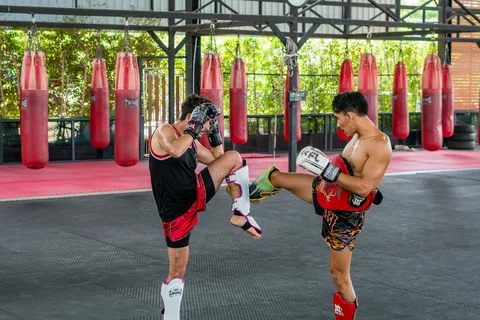
Training Muay Thai in Thailand: Choosing a Camp as a Beginner
City or island, how hard training gets, and how to stay in one piece.

Meditation Retreats in Thailand: Temple Stays, Vipassana and What to Expect
Three well-known retreats compared: how to register, the rules of silence and what a day looks like.
Photos in this list: photographer and licence for each image are listed on our image credits page.